In modern industrial automation, precision and reliability are non-negotiable. An Analog Output Module plays a critical role in converting digital control signals into real-world physical actions. This article explores how analog output modules function, their benefits, key selection criteria, and how they address common operational pain points. Whether you are optimizing a PLC-based system or upgrading your process control architecture, understanding these modules is essential for achieving consistent and efficient performance.

An Analog Output Module is a hardware component used in programmable logic controllers (PLCs) and distributed control systems (DCS). It converts digital signals generated by a controller into analog signals such as voltage (0–10V) or current (4–20mA), enabling communication with field devices like actuators, valves, and drives.
Unlike digital outputs that operate in binary states (ON/OFF), analog output modules provide continuous signal variation, allowing precise control over processes such as temperature, pressure, and flow rate.
The operation of an analog output module involves three main steps:
For example, a digital value of 50% might correspond to a 5V output or 12mA current, depending on configuration.
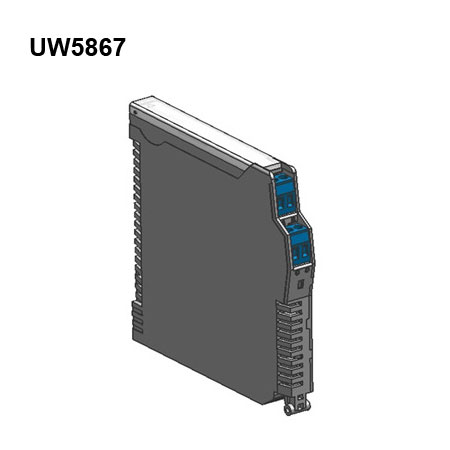
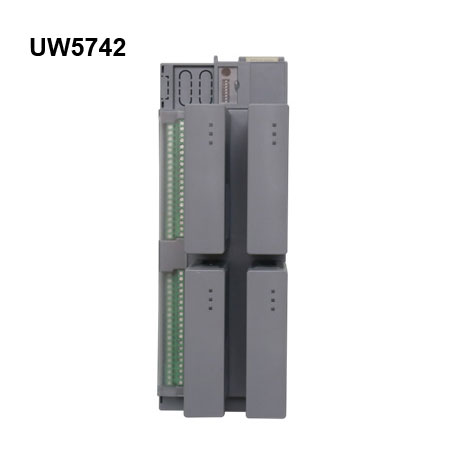
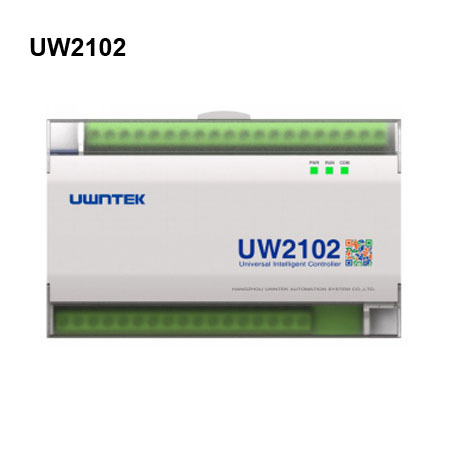
Companies like UWNTEK design analog output modules that emphasize stability and accuracy, ensuring long-term operational reliability.
| Pain Point | Description | Solution |
|---|---|---|
| Signal Noise | Interference causing inaccurate outputs | Use shielded cables and high-quality modules |
| Calibration Drift | Output accuracy degrades over time | Regular calibration and premium components |
| Compatibility Issues | Mismatch with PLC or field devices | Choose standardized modules with flexible configuration |
| Limited Resolution | Insufficient output granularity | Select high-resolution DAC modules |
| Feature | Basic Module | Advanced Module |
|---|---|---|
| Output Type | 0–10V | 0–10V / 4–20mA |
| Resolution | 12-bit | 16-bit |
| Accuracy | ±0.5% | ±0.1% |
| Isolation | No | Yes |
| Response Time | Slow | Fast |
Selecting the appropriate analog output module requires evaluating several technical factors:
For detailed product specifications, you can explore:
Analog Output Module Product Page
Proper installation significantly enhances module lifespan and system reliability.
UWNTEK modules are widely used across these industries due to their robust design and high precision.
Q1: What is the difference between analog and digital output modules?
A: Digital modules provide ON/OFF signals, while analog modules deliver continuous variable signals.
Q2: Why is 4–20mA commonly used?
A: It is less susceptible to signal loss and noise over long distances.
Q3: How often should calibration be performed?
A: Typically once a year, but depends on application criticality.
Q4: Can one module support multiple signal types?
A: Advanced modules support configurable outputs such as voltage and current.
Q5: What causes signal instability?
A: Electrical interference, poor grounding, or low-quality components.
An Analog Output Module is a foundational component in industrial automation, enabling precise and reliable control over complex processes. By understanding its working principles, benefits, and selection criteria, businesses can significantly enhance operational efficiency and reduce downtime.
If you are looking for high-performance and dependable solutions, UWNTEK offers a range of advanced analog output modules tailored to meet diverse industrial requirements.
Ready to optimize your control systems? Contact us today to discover how UWNTEK can support your automation goals with cutting-edge solutions.