News

Why Should You Invest in a Distributed Control System?

2026-01-29 0 Leave me a message
Why Should You Invest in a Distributed Control System?

In today's fast-paced industrial environment, efficiency, reliability, and automation are no longer optional—they are essential. A Distributed Control System (DCS) offers the solution, enabling industries to manage complex processes with precision and minimal risk. Companies like Shandong Youwen Automation Engineering Co., Ltd. have been providing advanced DCS solutions that help businesses optimize operations, reduce downtime, and ensure safety compliance.

Distributed Control System

Table of Contents


What is a Distributed Control System?

A Distributed Control System (DCS) is an automated control system used in industrial settings to monitor and control production processes. Unlike centralized control systems, a DCS distributes the control elements throughout the system rather than relying on a single central controller. This architecture improves reliability, reduces the risk of failure, and allows for real-time monitoring and decision-making.

Key characteristics of a DCS include:

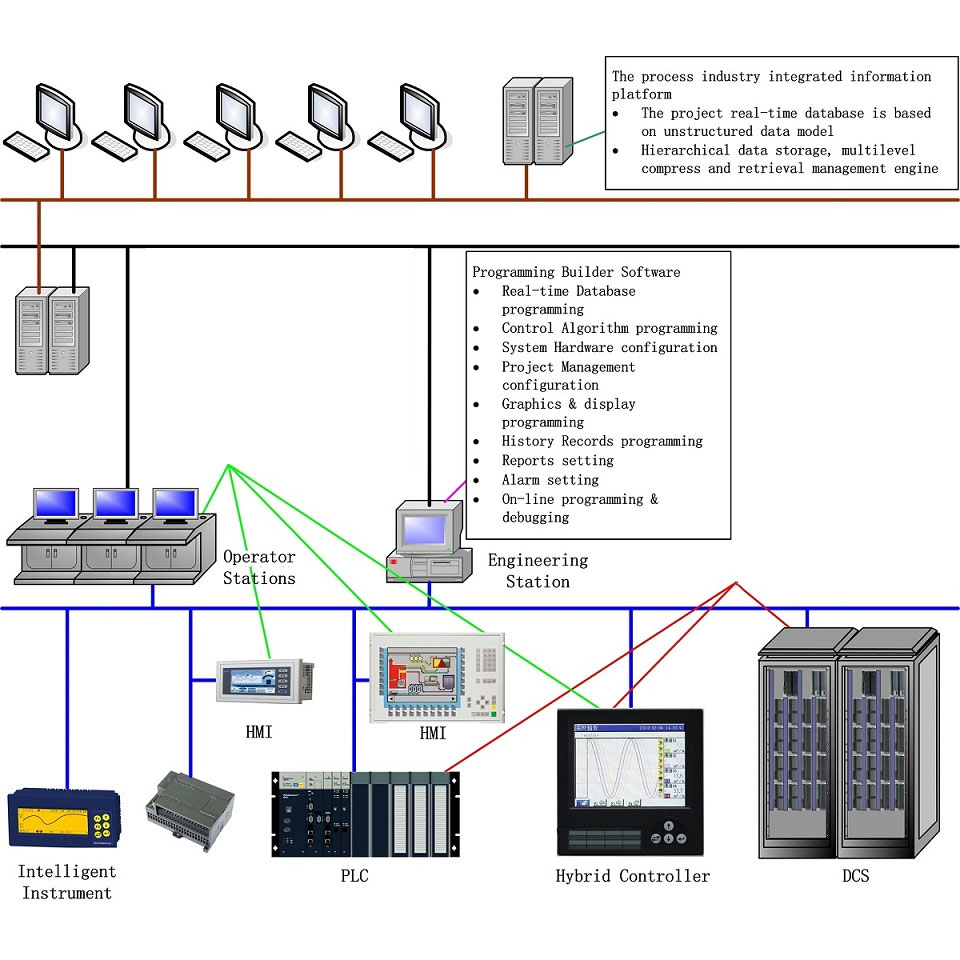
  • Decentralized control nodes connected via a communication network
  • Integrated human-machine interface (HMI) for operators
  • Advanced process control algorithms for optimizing production
  • Scalability to support plant expansion
  • Enhanced safety and fault tolerance

Shandong Youwen Automation Engineering Co., Ltd. specializes in designing and implementing DCS solutions tailored to the specific needs of chemical, pharmaceutical, and energy industries.


Why Choose a DCS: Key Benefits

Investing in a DCS offers a wide range of benefits that directly impact productivity, safety, and operational cost.

  • Improved Process Efficiency: DCS enables precise control over multiple processes, reducing waste and energy consumption.
  • Enhanced Reliability: Distributed architecture minimizes single points of failure.
  • Real-Time Monitoring: Operators can access live data and adjust processes instantly.
  • Scalability: Easily expand the system as production requirements grow.
  • Safety Compliance: Integrated safety systems help comply with industrial standards and regulations.
Benefit Description Example
Efficiency Optimizes production and reduces energy consumption Chemical plant increasing yield by 15%
Reliability Reduces risk of downtime with decentralized control Power plants maintaining 24/7 operation
Flexibility Scalable and adaptable to new processes Pharmaceutical factory adding new production lines
Safety Automatic shutdowns in emergency situations Oil refinery preventing hazardous incidents

What Are the Main Components of a DCS?

A Distributed Control System is made up of several critical components that work together seamlessly:

  • Controllers: These nodes process data and execute control commands.
  • Human-Machine Interface (HMI): A graphical interface for operators to monitor and interact with the system.
  • Input/Output Modules (I/O): Sensors and actuators that connect the physical processes to the control system.
  • Communication Network: A reliable network that interconnects all controllers and HMIs.
  • Engineering Workstation: Allows configuration, programming, and system maintenance.

Shandong Youwen Automation Engineering Co., Ltd. ensures that all components are integrated with the latest technology for optimal performance and longevity.


Which Industries Use Distributed Control Systems?

DCS solutions are widely adopted in industries where precise process control and high reliability are crucial. Some of the key sectors include:

  • Chemical Manufacturing
  • Pharmaceutical Production
  • Oil & Gas Refining
  • Power Generation
  • Water Treatment Plants
  • Food and Beverage Processing

In each sector, Shandong Youwen Automation Engineering Co., Ltd. customizes the DCS setup to meet specific process requirements and industry regulations, ensuring maximum efficiency and safety.


DCS vs. PLC vs. SCADA: How Do They Differ?

Choosing the right control system is essential. Here's a comparison:

System Architecture Best For Key Advantage
DCS Distributed Complex, continuous processes High reliability, centralized monitoring
PLC Centralized or modular Discrete processes Fast and simple for specific tasks
SCADA Supervisory Remote monitoring and control Real-time visualization, alarms

For industries requiring continuous and critical control, a DCS implemented by Shandong Youwen Automation Engineering Co., Ltd. is often the best solution.


How to Implement a Distributed Control System Effectively

Implementing a DCS requires careful planning and execution. Key steps include:

  1. Assessment: Analyze existing processes and identify automation needs.
  2. System Design: Define system architecture, select components, and plan network configuration.
  3. Installation: Install controllers, HMIs, I/O modules, and communication networks.
  4. Configuration: Program controllers, setup HMIs, and integrate sensors and actuators.
  5. Testing: Conduct rigorous testing to ensure reliability, accuracy, and safety.
  6. Training: Train operators and maintenance staff for effective system use.
  7. Maintenance: Regular updates and preventive maintenance to maximize uptime.

Shandong Youwen Automation Engineering Co., Ltd. provides end-to-end support during every stage, from planning to ongoing maintenance.


FAQ About Distributed Control Systems

Q1: What makes a DCS different from traditional control systems?
A DCS distributes control functions across multiple nodes, reducing risk of failure and enabling real-time monitoring, unlike traditional centralized systems that rely on a single controller.
Q2: Can a DCS be integrated with existing PLCs?
Yes, most modern DCS solutions are designed for interoperability, allowing seamless integration with existing PLCs, SCADA systems, and field devices.
Q3: How long does it take to implement a DCS?
Implementation time varies by plant size and complexity, but with proper planning and professional support from Shandong Youwen Automation Engineering Co., Ltd., most projects can be completed within several months.
Q4: Is a DCS cost-effective?
While initial investment may be higher than other systems, the increased efficiency, reduced downtime, and safety compliance make a DCS cost-effective in the long term.
Q5: What industries benefit most from a DCS?

Industries with complex, continuous processes such as chemical, pharmaceutical, oil & gas, power generation, and water treatment benefit the most.

Ready to Optimize Your Industrial Processes?Contact Shandong Youwen Automation Engineering Co., Ltd. today to explore how our advanced Distributed Control Systems can enhance efficiency, safety, and profitability in your plant. Contact us now!

Related News
Leave me a message
X
We use cookies to offer you a better browsing experience, analyze site traffic and personalize content. By using this site, you agree to our use of cookies. Privacy Policy
Reject Accept