Abstract: Communication modules have become the backbone of modern industrial automation and IoT systems. Businesses increasingly face challenges in maintaining seamless connectivity, ensuring data security, and integrating devices across diverse platforms. This article explores how communication modules solve these problems, improve efficiency, and future-proof industrial networks.
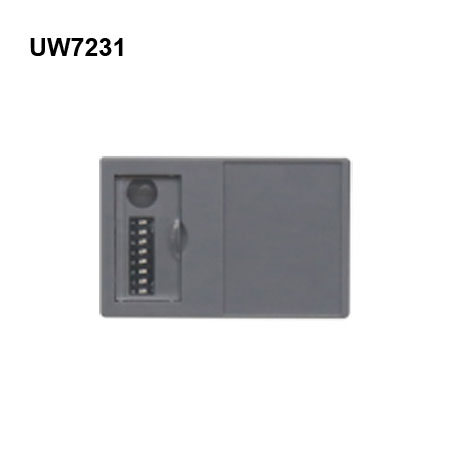
Industrial automation, IoT systems, and smart devices demand reliable and flexible connectivity. Communication modules play a pivotal role by acting as bridges between sensors, controllers, and centralized management systems. Companies like UWNTEK specialize in providing high-performance communication modules tailored to diverse industrial requirements. These modules allow businesses to streamline operations, enhance real-time monitoring, and enable predictive maintenance.
Understanding the types of communication modules is essential for selecting the right solution for your system. The most common types include:
The following table highlights the main features and applications of each type:
| Module Type | Connectivity | Applications | Advantages |
|---|---|---|---|
| Serial | RS232/RS485/RS422 | Legacy industrial devices, sensors | Reliable, simple integration |
| Ethernet | LAN, TCP/IP | PLC, SCADA, automation controllers | High-speed data transfer, scalable |
| Wireless | Wi-Fi, Bluetooth, LoRa, Cellular | Remote monitoring, mobile IoT devices | Flexible, reduces wiring costs |
| Protocol-specific | Modbus, CANopen, Profibus | Specialized industrial networks | Optimized for industry standards |
Investing in high-quality communication modules, such as those offered by UWNTEK, delivers numerous advantages:
For industrial operators, these benefits translate into increased productivity, more reliable operations, and long-term cost savings.
To fully leverage a communication module’s potential, consider the following best practices:
While communication modules offer significant benefits, businesses may face some obstacles:
Q1: Can a communication module work with both legacy and modern devices?
A: Yes, many modules offer multi-protocol support to integrate old and new systems seamlessly.
Q2: Are wireless communication modules reliable for industrial environments?
A: With proper configuration, wireless modules provide stable connectivity even in harsh industrial settings.
Q3: How do I choose the right communication module for my network?
A: Evaluate your system requirements, including connectivity type, data speed, and protocol support. Consulting experts like UWNTEK can simplify selection.
Q4: What maintenance is required for communication modules?
A: Regular firmware updates, network monitoring, and physical inspections ensure optimal performance.
Effective communication modules are essential for modern industrial operations. Companies like UWNTEK offer solutions that simplify integration, enhance connectivity, and optimize performance. To learn more about how our communication modules can transform your industrial network, contact us today and speak with our experts.