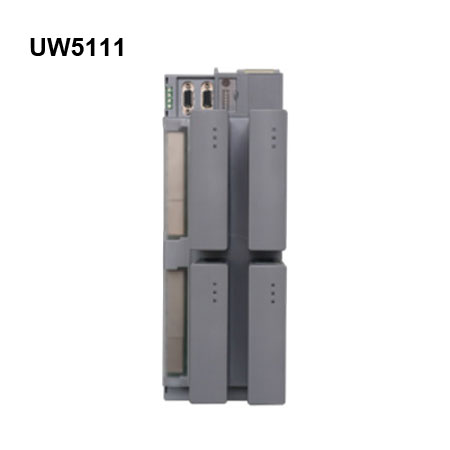
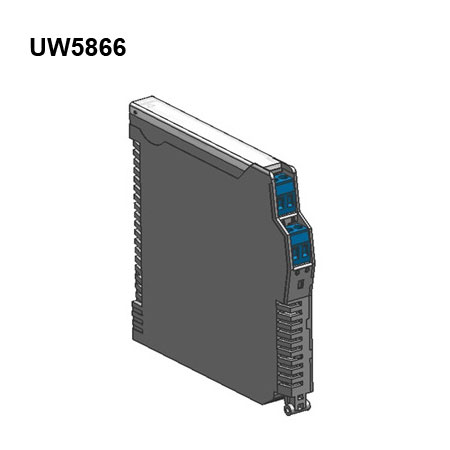
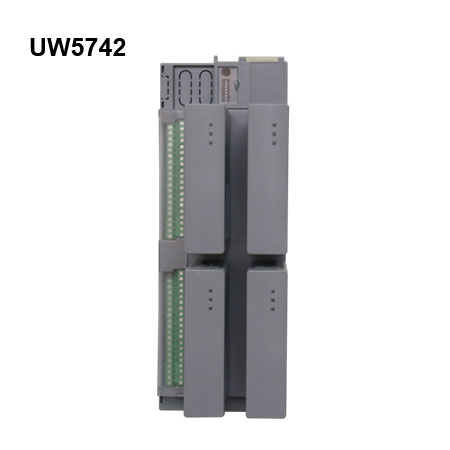
In today's highly automated manufacturing environment, efficiency, precision, and reliability are more critical than ever. A Distributed Control System (DCS) offers an advanced solution for integrated plant control, ensuring stable operations across complex processes. With growing demands for smart manufacturing, more industries are upgrading their automation with flexible, scalable, and intelligent DCS solutions. As a professional automation provider, Shandong Youwen Automation Engineering Co., Ltd. delivers reliable Distributed Control System configurations tailored to your plant's operational needs.

A Distributed Control System is an automated control framework designed to manage large-scale industrial processes. Unlike centralized control methods, a DCS distributes control functions across multiple subsystems. This results in higher stability, reduced downtime, and improved operational accuracy.
Key functions include:
Real-time monitoring and data acquisition
Process optimization and intelligent decision support
Fault detection and alarm management
Integrated control of multiple units or production lines
Seamless communication across field devices
A modern Distributed Control System enhances safety, reduces labor costs, and ensures continuous plant performance.
A DCS optimizes industrial operation through advanced automation technologies.
Here's how it enhances efficiency:
Decentralized architecture: Avoids single-point failure and enhances overall system reliability.
Fast response time: Enables real-time adjustments to process changes.
Better scalability: Allows flexible expansion as production grows.
Intelligent analytics: Supports predictive maintenance and reduces unexpected shutdowns.
Centralized operation interface: Simplifies management and reduces operator workloads.
For manufacturers seeking consistent output and minimal downtime, a Distributed Control System is one of the most effective solutions.
Below is a parameter reference table commonly provided by Shandong Youwen Automation Engineering Co., Ltd. to support professional industrial users.
| Parameter Category | Technical Details |
|---|---|
| CPU Performance | 32/64-bit industrial processor, high-speed data computing |
| Control Cycle | 10–100ms adjustable |
| Communication Protocols | Modbus TCP/IP, Profibus-DP, Profinet, EtherCAT |
| I/O Module Capacity | Digital/Analog I/O up to 1000+ channels |
| System Redundancy | CPU, power, communication, and network redundancy |
| Operating Temperature | −20°C to 70°C |
| Power Supply | 24V DC / 220V AC |
| SCADA Integration | Supports multi-platform HMI and SCADA software |
| Data Storage | Local database + cloud data interface |
A Distributed Control System provides multiple benefits across industries such as petrochemical, power generation, wastewater treatment, metallurgy, and manufacturing.
High reliability: Redundant design ensures continuous operation.
Stable performance: Suitable for long-cycle and high-temperature environments.
Modular design: Easy installation, upgrade, and maintenance.
Efficient control: Supports advanced process logic and loop control.
Flexible expansion: Additional controllers or I/O units can be added at any stage.
Choosing a well-engineered Distributed Control System from Shandong Youwen Automation Engineering Co., Ltd. ensures a long-term automation foundation.
Safety is one of the biggest advantages of a DCS.
A well-designed system provides:
Automatic fault alarms
Historical data analysis for risk prediction
Multi-layer permission management
Protocol-based secure communication
Emergency shutdown integration
These features significantly reduce operational hazards and ensure compliance with modern industrial safety standards.
Q1: What is the main function of a Distributed Control System?
A Distributed Control System manages complex industrial processes by distributing control tasks across multiple interconnected controllers. This improves reliability, accuracy, and real-time operational response.
Q2: Why should I choose a Distributed Control System instead of a centralized PLC system?
A DCS provides superior process control, redundancy, and scalability for large-scale, continuous operations. It is more suitable for industries where stability and reliability are critical 24/7.
Q3: How long is the typical service life of a Distributed Control System?
Most DCS platforms are designed for long-term service, often 10–15 years or more, with modular upgrades available to extend lifecycle and performance.
Q4: Can a Distributed Control System integrate with existing field devices?
Yes, modern DCS platforms support multiple communication protocols, allowing easy integration with existing sensors, actuators, and PLCs.
A Distributed Control System is an essential component for modern industrial automation, providing unmatched stability, reliability, and control efficiency. Whether you need real-time data monitoring, process optimization, or system expansion, DCS solutions play a vital role in enhancing plant performance. With comprehensive engineering capabilities, Shandong Youwen Automation Engineering Co., Ltd. offers tailored Distributed Control System configurations that meet demanding industrial requirements.
For project inquiries or technical support, please contact Shandong Youwen Automation Engineering Co., Ltd. anytime.