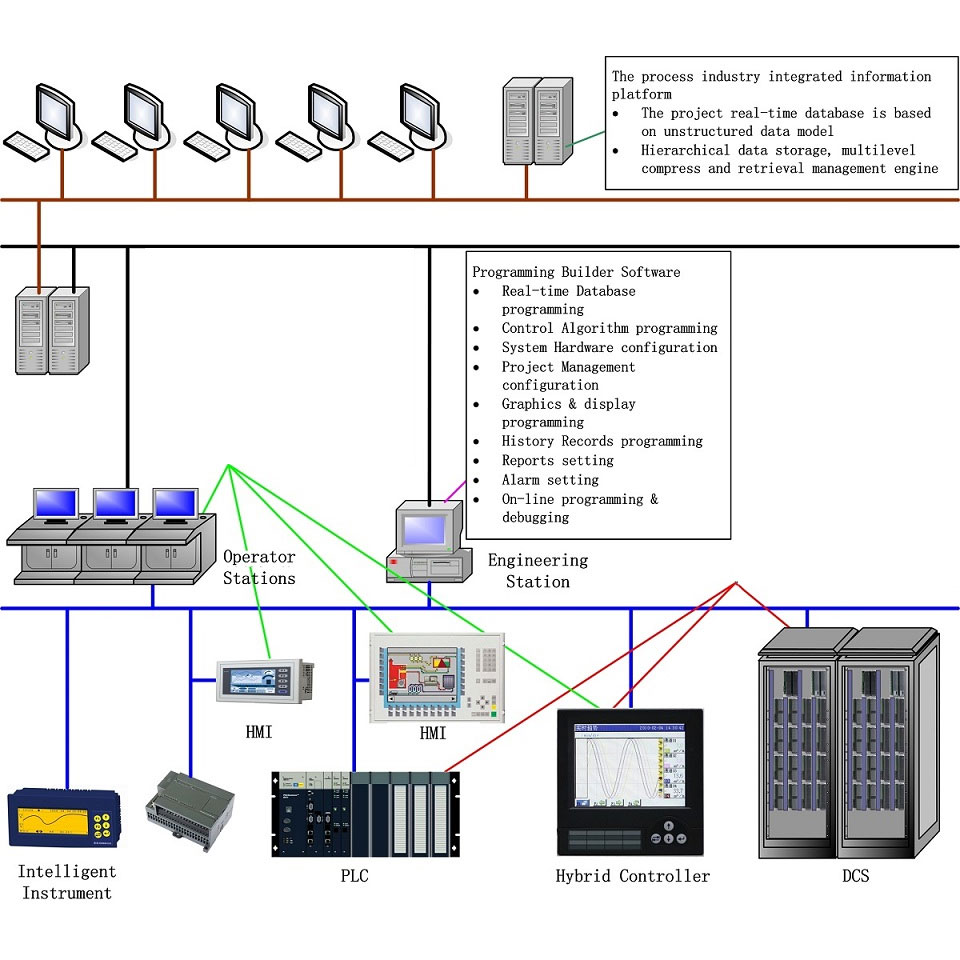
In today's increasingly automated world, efficient data exchange is the backbone of industrial performance. A Communication Module serves as the bridge that enables machines, controllers, sensors, and management systems to share information quickly and reliably. Whether used in factory automation, power management, energy systems, packaging lines, HVAC control, or remote monitoring solutions, it plays a crucial role in turning isolated equipment into an intelligent, interconnected network.
Modern industries rely on rapid data accuracy, stable connectivity, and multi-protocol compatibility. This is why choosing the right Communication Module is essential for improving productivity, reducing downtime, and ensuring seamless device integration.

A Communication Module strengthens automation systems through three primary capabilities:
It ensures devices exchange information without delays, enabling accurate control and rapid decision-making in critical operations such as motion control, quality inspection, and equipment diagnostics.
Manufacturing systems often combine devices from various brands. A Communication Module acts as a universal translator, supporting mainstream protocols such as:
Modbus RTU / Modbus TCP
CANopen
PROFINET
EtherNet/IP
RS485 / RS232
This flexibility reduces system design complexity and saves integration costs.
With Ethernet, Wi-Fi, or cellular support, operators can troubleshoot issues remotely, update configurations, and monitor performance without being on-site—minimizing operational disruptions.
Selecting the correct Communication Module requires careful evaluation of several performance indicators:
Ensure the module supports your PLC, DCS, SCADA, or field devices. Multi-protocol support reduces equipment replacement costs.
Common physical interfaces include:
RS485
RS422
RS232
CAN
Ethernet
Choose based on your wiring distance, noise environment, and device requirements.
Look for noise immunity, anti-interference capabilities, and error-correction mechanisms—especially important for high-noise industrial spaces.
Essential considerations include:
Wide operating temperature
Industrial-grade components
Surge and ESD protection
Long service life
A module with intuitive configuration software reduces engineering workload and speeds up deployment.
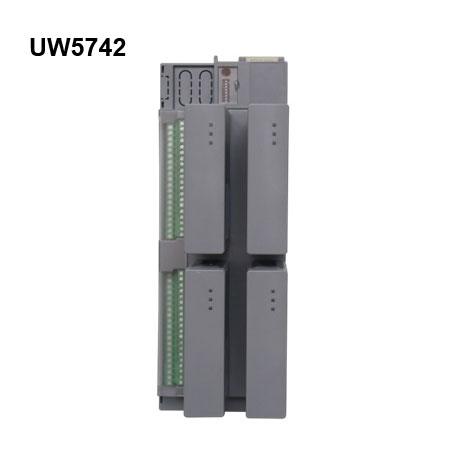
Below is an overview of the core performance parameters of the Communication Module offered by Shandong Youwen Automation Engineering Co., Ltd.
| Parameter | Specification |
|---|---|
| Supported Protocols | Modbus RTU / TCP, CANopen, EtherNet/IP, PROFINET |
| Interfaces | RS485, RS232, CAN, Ethernet (10/100Mbps) |
| Baud Rate | 300bps to 921600bps |
| Power Supply | DC 9–36V wide-range input |
| Operating Temperature | –20°C to +70°C |
| Protection | ESD protection, surge suppression, anti-interference design |
| Mounting Method | DIN-rail compact installation |
| Management | Web-based configuration, firmware upgrade support |
| Typical Applications | PLC networking, equipment monitoring, industrial automation lines, energy management, sensor networking |
These specifications support stable and high-speed data transmission required in modern automation environments.
Smart manufacturing relies on interconnected systems that communicate seamlessly. A Communication Module enables this digital ecosystem through:
Machines can automatically adjust parameters based on real-time data, improving productivity and reducing human intervention.
Continuous data collection helps identify abnormal patterns early, preventing costly equipment failures.
Insights from machine data allow factories to reduce energy consumption, optimize scheduling, and enhance product quality.
As production lines evolve, a compatible Communication Module allows new devices to join the network easily without major system reconstruction.
Although they may look similar, a Communication Module is significantly more capable than a simple interface converter.
Communication Module: Supports multi-protocol conversion, data processing, configuration software, network management.
Converter: Only changes interface type (e.g., RS232 to RS485).
A Communication Module can connect to complex automation networks, while a converter is limited to basic wiring conversions.
Communication Module: Industrial control systems, SCADA, robot networks, sensor clusters, energy monitoring.
Converter: Point-to-point communication only.
This comparison highlights the importance of choosing the correct device for advanced industrial requirements.
Integrating PLCs, HMIs, sensors, and production line equipment into a unified data platform.
Used in solar plants, power distribution rooms, substations, and energy monitoring systems.
Supports HVAC systems, lighting control, elevator management, and fire alarm networks.
Applied in rail, port automation, and traffic monitoring systems requiring durable communication hardware.
Connects sensors measuring water quality, gas emissions, noise, temperature, humidity, and more.
Connect power supply, communication interfaces, and network cables according to system requirements.
Use web or software tools to configure parameters including:
Baud rate
Parity
IP address
Protocol settings
Data mapping rules
Perform communication tests to ensure devices exchange data correctly.
Integrate the module into the field system for continuous operation.
This streamlined process ensures fast installation with minimal disruption.
A Communication Module enables data exchange between industrial devices such as PLCs, sensors, meters, and SCADA systems. It ensures stable, real-time communication across different equipment and protocols, making it essential for automation and monitoring systems.
Evaluate the required protocol compatibility, physical interfaces, operating environment, transmission speed, and software configuration tools. Selecting a module that matches your PLC or controller ensures seamless integration and reduces engineering effort.
Yes. Many industrial-grade modules—including those offered by Shandong Youwen Automation Engineering Co., Ltd.—support multi-protocol conversion, allowing devices using different standards to communicate efficiently within the same network.
No. These modules typically support DIN-rail installation, simple wiring, and intuitive configuration interfaces. Most technicians can complete setup within minutes using web configuration tools.
A reliable Communication Module is essential for building efficient, intelligent, and scalable industrial automation systems. It enhances data accuracy, supports multi-protocol networking, improves machine communication, and enables remote monitoring—all key factors in modern manufacturing success.
If you are searching for a professional, durable, and high-performance solution, Shandong Youwen Automation Engineering Co., Ltd. provides industrial-grade Communication Modules designed for stability, compatibility, and long-term reliability.
For product details, technical support, or partnership inquiries, please feel free to contact us anytime.